Saturday, September 26, 2009

Sony Ericsson's Xperia with Rachael UI kicks ass

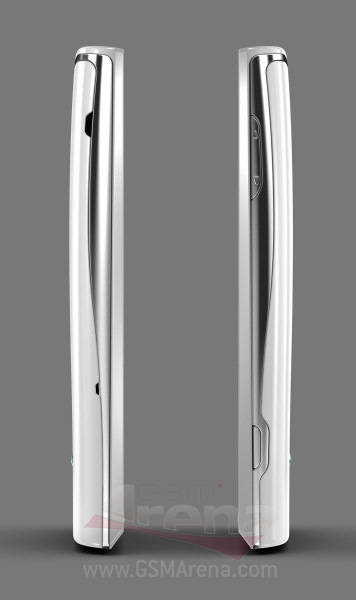
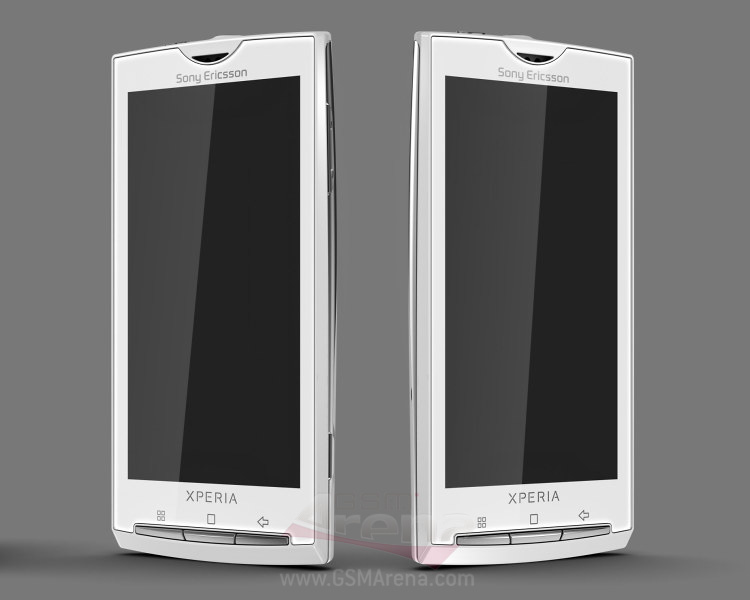
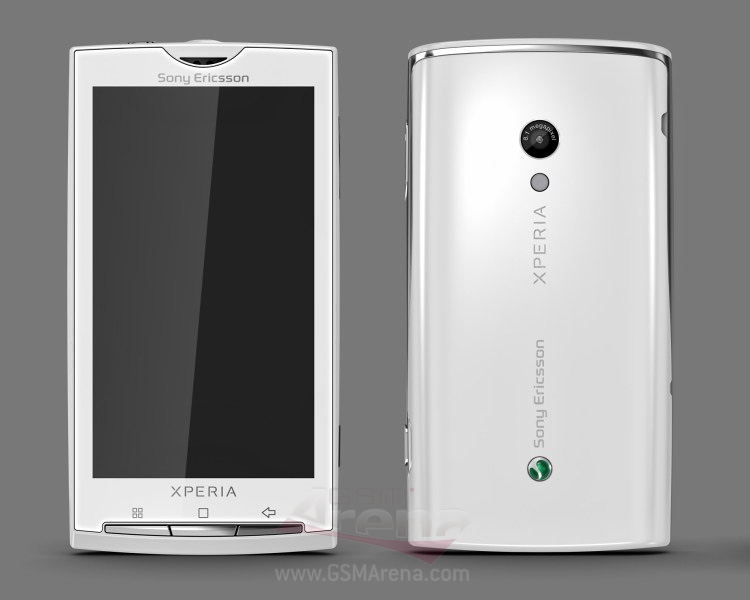
Sony Ericsson will soon release what has got to be the coolest Android phone user interface -- or any phone UI for that matter!  Of course, your taste and mileage may vary but, from the demo, this looks more hip than the iPhone, especially if you're deep into online social networking.  This user interface will come with their next smartphone, the XPERIA, which by the way has a display with a 16:9 aspect ratio (852x480 pixels).  So without much more ado, ogle at the delightful photos and of course the kick-ass demo.

Close window

Close window

Close window


Thursday, September 24, 2009

The Archos 5 Internet Tablet

Archos has released its latest mobile internet device, the Archos 5 Internet Tablet.

This super cool gadget runs on Android OS and is packed with features that will surely appeal to the mobile nomad:

  • Flash memory: 8 to 32 GB with a Micro SD port (compatible with SDHC)
  • Hard disk storage: 16 to 500 GB
  • High resolution touch screen (800x480 pixels, 4.8inch TFT LCD, 16 million colors)
  • MPEG-4 HD (up to 720p), MPEG-4 (ASP@L5 AVI, up to DVD resolution), H.264 HD (up to 720p), WMV (MP@ML, up to DVD resolution) including WMV protected files, M-JPEG (Motion JPEG Video) in QVGA resolution with optional plug-in (downloadable from your tablet or at www.archos.com), MPEG-2, WMV HD (720p), VOB
  • MP3 stereo decoding @ 30-320 KB/s CBR & VBR, WMA, WMA protected, WM (PCM/ADPCM). With optional plug-ins (downloadable from your tablet or at www.archos.com: AAC, AAC+ and  AC3 stereo audio and 5.1 sound files (via SPDIF output from the DVR Station)
  • JPEG, BMP, PNG, GIF
  • Compatible with subtitle files with .srt, .ssa, .smi, .sub extensions
  • USB 2.0: Media Transport Protocol (MTP)
  • USB 2.0 Host: Mass Storage Class (MSC) and Picture Transfer Protocol (PTP) with optional Mini Dock, Battery Dock and DVR station
  • WiFi (802.11 b/g/n)
  • Bluetooth 2.0
  • FM transmitter/receiver
  • Integrated speaker, cradle, and microphones
  • Battery lasts up to 22hrs when playing audio, up to 7hrs when playing videos
  • Works with Microsoft XP, Vista and later (with Windows Media Player 11 for MTP support) and with Linux USB 2.0 Interface (as a mass storage device)
  • Video and audio recording in various formats
  • Dimensions and weight: 143.2x78.8x10.4 mm – 182g (for Flash series), 143.2x78.8x20 mm – 286g (for hard disk series)
Here's a video introducing the Archos 5:


Saturday, September 19, 2009

Sprint's HTC Hero 200

I know, I know, many of us are not in the US.  But when you see a cool gadget like Sprint's soon-to-be-released HTC Hero 200, you just have to stop and admire.  This is Sprint's spin on HTC's original Hero.  It runs on Android OS with HTC Sense (a really cool custom user interface made by HTC) on top.  Check out the video to see what I'm talking about.


Wednesday, September 16, 2009

Android 1.6 SDK (Donut) is released!

Yes, donuts will be the next craze in the Android OS world!  New features include, among others, support for more screen sizes and support for both GSM and CDMA networks.  This means there will be more devices on which Android applications can run, which is a boon for software developers.  There are also some nifty improvements to the user interface, giving the ordinary phone users greater ease and productivity with their phones.


Here's the video showing the new options.


The Androids Are Coming!

The year 2009 will be remembered as the year that many phone manufacturers have released their first Android OS-powered smartphones.  First, it started with the Taiwanese phone maker HTC, with their HTC Dream which was marketed in the US by T-Mobile as the G1 (the Google phone).  HTC then followed it up with HTC Magic.  Then the Australian manufacturer Kogan produced its Agora Pro.
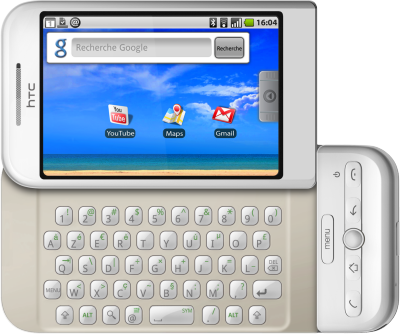
orange-htc-dreamsfr-magic-androidandroid-kogan-agora

If you haven't heard about these brands, it's because they're relative newcomers compared to established names like Nokia, Motorola, etc.  But as the Android operating system is open source (meaning, it's easier to look inside the code), it's also easier for a manufacturer to develop new phones and new phone software.

Anyway, later Samsung announced it's first Android offering, the Samsung Galaxy, becoming the first big name to do so.  HTC fired back with HTC Hero.  Then Motorola announced its Motorola Dext.  LG also made it official with its LG-GW620 (Eve).  And the list keeps growing...

samsung-galaxy-1motorola-dext-motoblurlg-eve


For the first time in history, we can now easily develop mobile applications on a single phone from a single manufacturer and be confident that this software will run without problems on many other phone models made by other manufacturers!  This reminds me of the PC revolution more than a decade ago when software can run on PCs built by different hardware manufacturers.  This can only be good news for both software developers and mobile phone users.
Tuesday, September 15, 2009

Connected and Ready to Go!

Hello everyone!  This is my new blog for everything about mobile computing.

Ever since I got my hands on my first smart phone, an HTC Magic running on Android OS, I am fascinated on a daily basis of the capabilities of mobile computing.  This is compounded by the fact that Android is an open source operating system based on the Linux kernel.  What this means is that anyone can develop software and run it on his/her phone with the same ease that one does on a PC.

Now combine this with unlimited internet connectivity and you have a powerful and exciting combination of modern computing technologies that will surely create new user experiences.  What happened to personal computers is now happening again for mobile devices.

We're living in a historic (and blog-worthy) time!